
Beiträge von Soulchef
-
-
Der Rückruf betrifft auch Honda, Subaru, Mazda und Mitsubishi.
"Suzuki wird 18.000 Fahrzeuge außerhalb Japans zurückrufen."
Eventuell wissen wir mehr gegen Ende des Jahres...
-
Mit K14C passiert schon mal, wenn das Auto in sehr kurzer Zeit viel Kühlmittel verliert.
-
Die Anzeige reagiert langsam auf Änderungen.
Normalerweise liegt ein Problem (K14C motor) mit dem Auspuffkrümmer (der im Zylinderkopf integriert ist).
The coolant temperature meter reacts slowly to changes.
I wouldn't trust too much to what it shows.
Once something goes wrong it will just jump to max but then it's too late.
Usually it leaks from exhaust manifold (integrated into cylinder head).
-
-
18min
Externer Inhalt youtu.beInhalte von externen Seiten werden ohne Ihre Zustimmung nicht automatisch geladen und angezeigt.Durch die Aktivierung der externen Inhalte erklären Sie sich damit einverstanden, dass personenbezogene Daten an Drittplattformen übermittelt werden. Mehr Informationen dazu haben wir in unserer Datenschutzerklärung zur Verfügung gestellt.Fotos:
-
Zitat
Unternehmensvertreter sagten, dass eine Änderung der Form, die zur Herstellung eines Kunststoffteils für die Kraftstoffpumpe verwendet wird, zu einer Verringerung der Dichte des Kunststoffs geführt habe.
Dies habe dazu geführt, dass das Teil aufquoll und schließlich die Kraftstoffpumpe nicht mehr funktionierte.
-
Zitat
Leading auto parts company Denso Corp. identified a major cause behind defective fuel pumps that led to the recall of more than 4 million vehicles in Japan.
Company officials said a change in the mold used to create a plastic part for the fuel pump led to a decrease in the density of the plastic. This allowed the part to bloat and eventually caused the fuel pump to stop working.
A new mold was used to produce the plastic impeller in the fuel pump which should have sent gas to the engine.
...
Transport ministry officials said the low density of plastic in the impeller allowed fuel to seep into the part, triggering the bloating problem. That led to the impeller coming in contact with the surrounding pump case. Eventually, it caused the impeller to stop spinning.
https://www.asahi.com/ajw/articles/15133643
Looks very much to what Suzuki wrote.
-
The ECSTAR engine oil is made either by Eneos, Shell or Idemitsu Kosan.
K14D oil testyoutu.be/IozE0Pdux44?&t=327
ZitatSuzuki Ecstar F SN 0W-20 ALT1 (Idemitsu)
Color: Brown.Odor: Slight odor.
Pour point: -52.5°C.
Flash point: 224°C (Cleveland Open Cup method).
Kinematic viscosity: 29.39 mm²/s at 40°C.
ZitatAlles anzeigenSuzuki Ecstar F SN 5W-30 (Shell)
Color: Yellow-brown.
Odor: Slight odor.
Melting/freezing point: Pour point below -20°C.
Initial boiling point and boiling range: Estimated ≥250°C.
Flash point: ≥200°C (Cleveland Open Cup method).
Flammability: Can ignite.
Density: Approximately 0.85 g/cm³ at 15°C.
Kinematic viscosity: Approximately 54 mm²/s at 40°C.
ZitatSuzuki Ecstar F SN 5W-30 ALT2 (idemitsu)Color: Brown.
Odor: Distinctive.
Flash point: 232°C (Cleveland Open Cup method).
Kinematic viscosity: 42.29 mm²/s at 40°C.
-
-
-
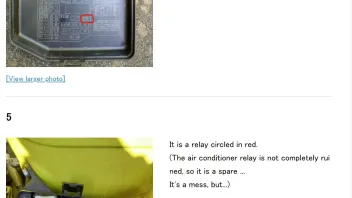
Das habe ich gefunden:
-
ILZKR7D8 sind für K14C, A2L414.
Autodoc (18 € / Stück, made in Thailand).
Für ohne Hybrid ist 18 Nm.


-
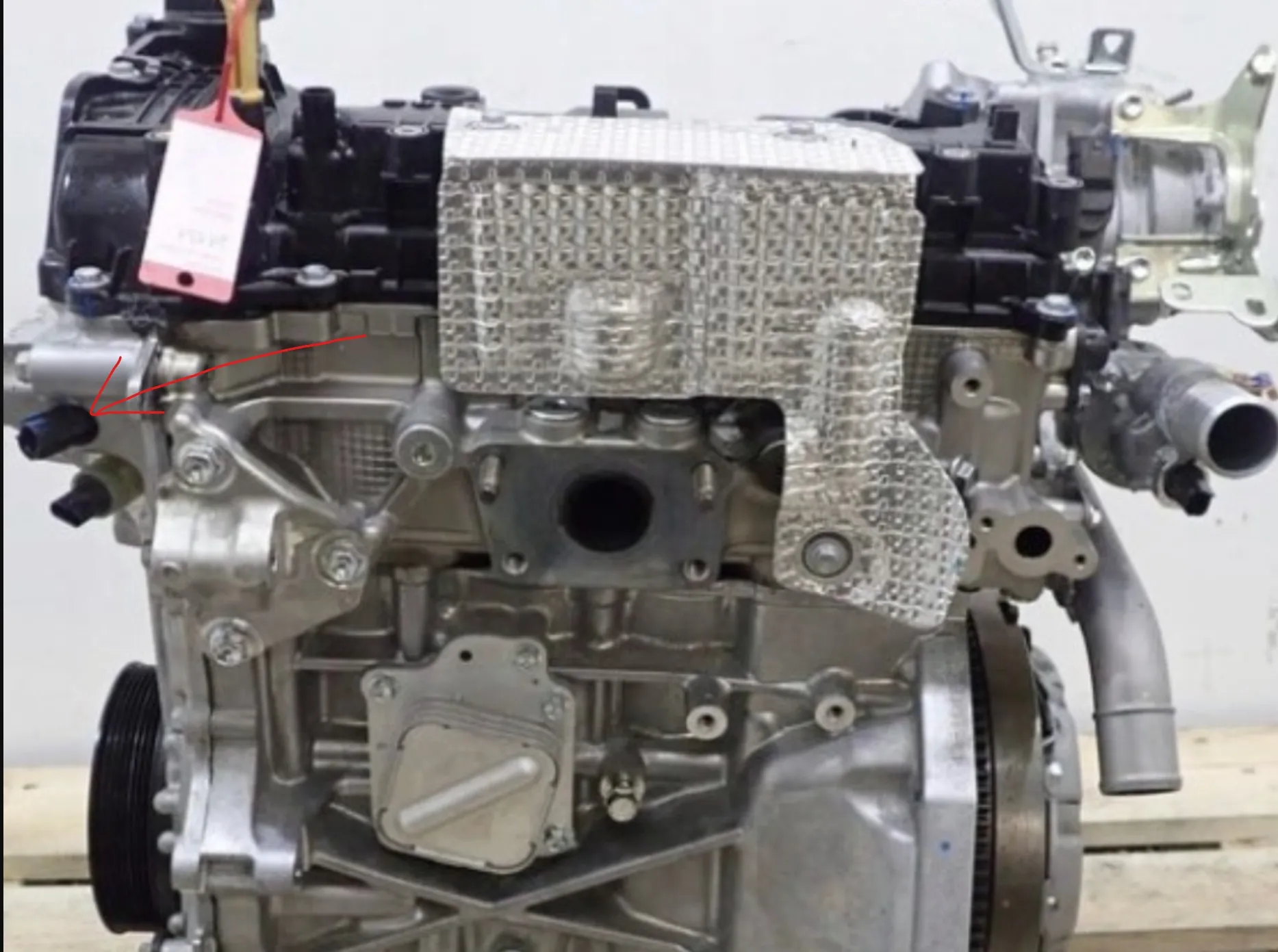
Aber weiß jemand zufällig wo die Öltemperatur gemessen wird? Ich hab mal gelesen das diese am Ölkühler (Plattenwärmetauscher am Motorblock vorne) gemessen werden soll.
-
I've made something similar two months ago.
The 3D model is from Assetto Corsa so I got 1:1 size/shape of the car and text/fonts from Suzuki catalog.
Texture was made in Blender (3D software).
Although I have not tested yet so i can't say how it will look on the car.
Link to PDF for print: https://we.tl/t-vp2tstdI3M
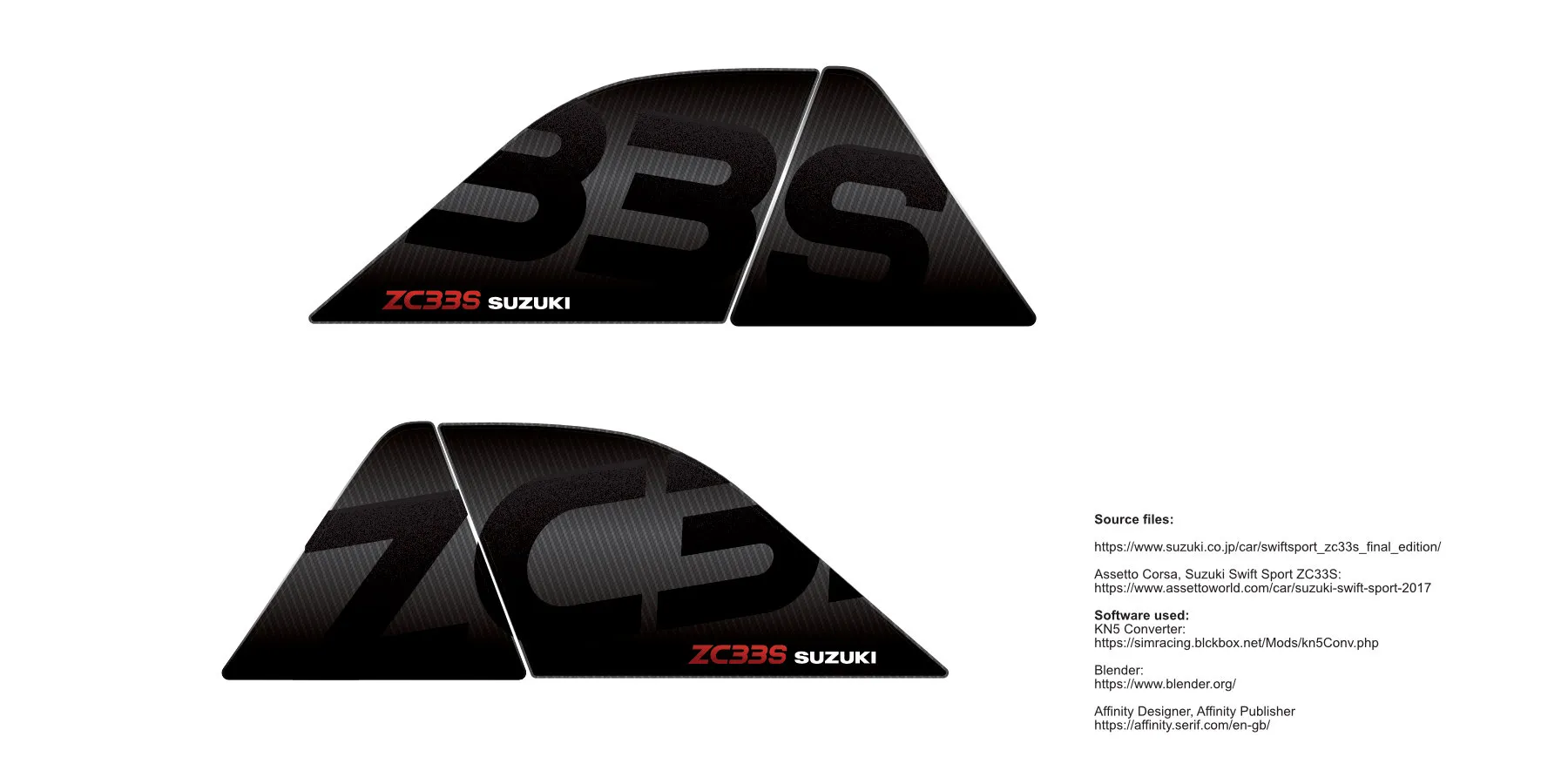
Now i see it might be more logical if the model number "33S" would be on the left side for LHD cars.
-
It's probably something in the ventilation pipes. One sharp left turn and you'll probably able to see it then trough passenger side vent if you get lucky. You may be able to get it out using a vacuum cleaner/extractor with a small rubber tube attached.
-
ZC32S
youtube.com/watch?v=uZL0qVgK_0A
ZC33S
youtube.com/watch?v=g312QnFCTvc
-
Here are the pictures from Suzuki Brochure (original available on https://www.suzuki.co.jp/car/swiftsport_zc33s_final_edition/ ).
-
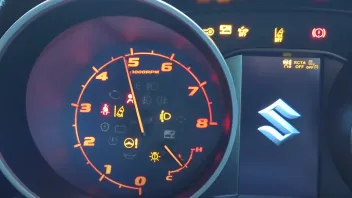
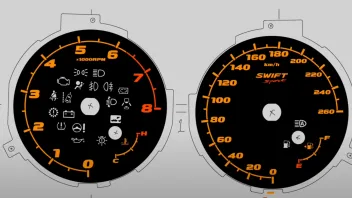
.youtube.com/watch?v=N9JXp5eofxg
-
In den von dir verlinkten Videos wird doch eigentlich das Fazit gezogen, dass die Fahrt auf der Rennstrecke die Ablagerungen sogar beseitigt hat, am besten von allen drei getesteten Szenarios, nicht?
Also eigentlich das, was wir hier in Deutschland mit einer längeren Vollgasfahrt auf der Autobahn machen.
Ich habe verstanden, dass zwischen 3000 und 3500 RPM optimal ist (20-30min und nicht mit maximalen Laderdruck fahren).
Aber bei jedem Auto wird das anders sein...😀